
Reflections from the Veterans’ Mental Health Conference 2026
An overview of the KCMHR Veterans MH Conference
Dr Bex Bennett
5/20/20262 min read
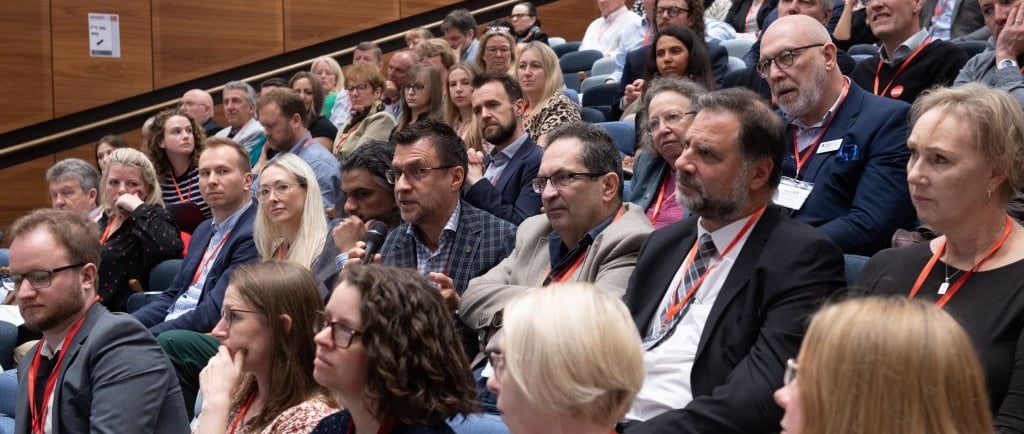
Last week I attended the Veterans’ Mental Health Conference hosted by the King's Centre for Military Health Research at King's College London. The conference brought together researchers, clinicians, charities, policymakers and veterans to discuss one central question: how do we improve mental health outcomes for the Armed Forces community?
The event highlighted just how far the field of veterans’ mental health has progressed over the last decade. Discussions moved well beyond the traditional focus on PTSD alone, exploring moral injury, adjustment difficulties, alcohol misuse, transition out of service, social isolation, digital interventions and the long-term impact of military culture on wellbeing. There was a strong emphasis on innovation and evidence-based practice, with many speakers discussing how research findings must translate into real-world support that veterans can actually access.
One of the most thought-provoking aspects of the conference was the discussion around transition from military to civilian life. Research continues to show that leaving the Armed Forces is not a single event but an ongoing psychological and social process. For some veterans, transition represents opportunity and growth; for others it can involve loss of identity, loss of community and significant mental health challenges. Conversations throughout the day reinforced the importance of early intervention, social support and ensuring veterans do not fall through gaps between military and civilian systems.
The breakout sessions were particularly impactful. Discussions around women veterans and military sexual trauma (MST) stood out as some of the most important conversations happening in the sector right now. There was recognition that women veterans have historically been underserved by both research and veteran services, despite evidence showing gender-specific challenges during and after service.
Several speakers reflected on how experiences such as bullying, discrimination, sexual harassment and assault during service can have profound and enduring impacts on mental health. Research presented through collaborations involving Combat Stress and KCMHR highlighted links between military sexual trauma and increased rates of PTSD, depression, anxiety and alcohol misuse among women veterans.
There was also an important discussion around language and recognition. Many attendees reflected on the continued reluctance within some parts of the military system to fully engage with the term “military sexual trauma.” The feeling in the room was that without consistent recognition and acknowledgment, progress risks remaining fragmented. Naming experiences matters. It shapes research, policy, funding and ultimately whether individuals feel seen and understood when they seek support.
Another strong theme throughout the conference was collaboration. What was striking was the number of organisations now working together across academia, healthcare and the charity sector to improve outcomes for veterans and their families. The relationship between KCMHR and organisations such as Combat Stress continues to drive significant research into veteran mental health, women veterans and evidence-based interventions.
As both a clinician and someone passionate about improving support for women veterans, it was encouraging to see these conversations taking place so openly. There is still a long way to go, particularly in ensuring services are trauma-informed, gender-sensitive and accessible, but there is also genuine momentum building within the sector.
The conference was a reminder that veterans’ mental health is not a niche issue. It is a public health issue, a social issue and, fundamentally, a human issue. Behind every research paper, policy discussion and statistic are real people trying to navigate life after service.
Events like this matter because they create space for difficult conversations, challenge outdated assumptions and push the field forward. Most importantly, they help ensure that veterans’ voices remain at the centre of the work.